Staying Healthy in Siargao: Water, Sun, Reef Cuts, and Stomach Trouble
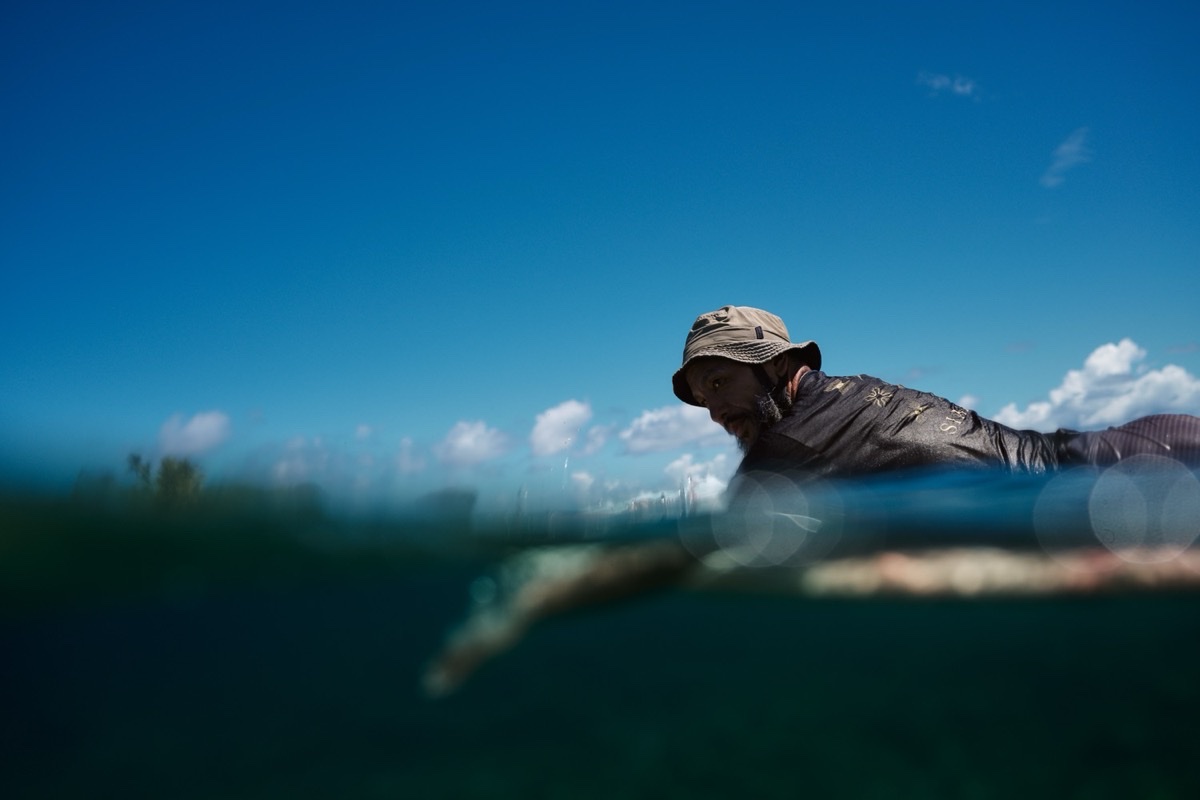
To stay healthy in Siargao, drink factory-sealed bottled or boiled water, stay out of direct sun from 10 AM to 4 PM, wash every reef cut with soap and clean water, and keep drinking fluids if your stomach turns. For serious symptoms, go to Siargao Island Medical Center in Dapa, a Department of Health hospital, not to a wellness clinic.
A burn on the first day, a cut on the reef, a stomach that will not settle: this guide covers the common ones with plain advice from the CDC and the World Health Organization, and names where care is, from the hospital list on the resource page of the Department of Health’s Health Facility Development Bureau. It is general travel guidance, not a diagnosis. When something feels wrong, see a doctor.
Is the water in Siargao safe to drink?
No public-health source cited here has tested the tap water in Siargao, so use the CDC’s rule for any destination where tap water might be contaminated:
- Do not drink the tap water.
- Drinks from unopened, factory-sealed bottles or cans are safer than tap water. Carbonated drinks in bottles or cans are typically safe.
- Do not use ice where clean water is hard to get.
- Brush your teeth with bottled or disinfected water.
- To disinfect water yourself, bring it to a full rolling boil for one minute.
For food, the CDC’s advice is short. Hot food should be served hot and cold food cold. Fruit is safer when you peel it yourself or wash it in bottled or disinfected water. If you eat from a street stall, the food should be cooked and steaming hot.
How do you protect yourself from the sun?
The CDC Yellow Book notes that UV light reflected off water or sand increases the total dose you receive, and a surf trip means hours on both. Its chapter on sun exposure in travelers gives these steps:
- Avoid direct sun between 10 AM and 4 PM, when UV rays are strongest. Use full shade from a roof or a tree.
- Wear lightweight, long-sleeved clothing made of fabric rated above UPF 30.
- Wear a hat with a brim at least three inches wide that shades the face, neck, and ears. A baseball cap is not enough.
- Wear sunglasses rated for both UVA and UVB.
- Choose a broad-spectrum sunscreen, SPF 30 or higher, and reapply it every two to four hours, more often when you sweat or after you swim.
Heat is the other half. The CDC’s page for travelers to the Philippines warns that heat stroke can be deadly. Eat and drink regularly, wear loose, light clothing, and limit hard activity in the hottest hours. If you are outside for many hours, eat salty snacks and drink water to replace the salt you lose in sweat.
What should you do about a reef cut?
Vibrio bacteria live naturally in coastal waters, and the CDC warns that they can get into an open wound and cause an infection. Its advice:
- Wash cuts and scrapes thoroughly with soap and clean running water right after contact with seawater.
- Cover an open wound with a waterproof bandage if it could touch coastal water.
- If you have an open wound, stay out of salt water or brackish water, if possible.
- If you are at higher risk of infection, wear clothes and shoes that protect you from cuts and scrapes in the water.
The CDC lists the signs of a Vibrio wound infection as fever, redness, pain, swelling, warmth, discoloration, and discharge. If you see any of them, it says to see a doctor or go to the emergency room immediately, and to tell the doctor the wound touched seawater.
Animals matter too. The CDC notes that dogs with rabies are commonly found in the Philippines. If a wild or unfamiliar animal bites, scratches, or licks you, wash the area thoroughly with soap and water and seek medical attention immediately.
What helps with stomach trouble?
Travelers’ diarrhea is the most common travel-related illness, according to the CDC. In otherwise healthy adults it is rarely serious, but it can take days out of a trip. The CDC’s advice is to drink plenty of fluids, and in serious cases to use oral rehydration solution, which pharmacies sell. The Yellow Book adds that viral diarrhea usually lasts two to three days.
Know when it is more than a bad day. The CDC says to see a doctor for any of these severe symptoms:
- Bloody diarrhea
- Diarrhea that lasts more than three days
- A fever over 102°F
- Vomiting so often that you cannot keep liquids down
- Signs of dehydration: peeing very little, a dry mouth and throat, or feeling dizzy when you stand up
What about mosquitoes and dengue?
Dengue spreads through mosquito bites, and the World Health Organization advises avoiding bites especially during the day. Its list: clothes that cover as much of the body as possible, repellent containing DEET, picaridin, or IR3535, window screens, and mosquito nets if you sleep in the daytime.
The WHO says common dengue symptoms are a high fever with a severe headache, pain behind the eyes, muscle and joint pain, nausea, vomiting, swollen glands, or a rash. Severe symptoms often come after the fever drops. Seek care immediately for severe abdominal pain, persistent vomiting, rapid breathing, bleeding gums or nose, fatigue, restlessness, blood in vomit or stool, being very thirsty, pale and cold skin, or feeling weak.
Where can you get care?
| Place | Where | What it is |
|---|---|---|
| Siargao Island Medical Center | Dapa, Surigao del Norte | Department of Health hospital; Republic Act No. 11500 upgraded the Siargao District Hospital into a Level II General Hospital |
| Caraga Regional Hospital | Surigao City, Surigao del Norte | Department of Health regional hospital |
| Vultun Wellness clinic | SOS Gym, Ground Floor, Units 2 to 4, Malinao, General Luna | IV drips, red light, and visiting doctors’ days; not an emergency room |
Both hospitals appear on the “DOH Hospitals in Mindanao” list, a resource page run by the Department of Health’s Health Facility Development Bureau. For an emergency, a serious injury, or any warning sign above, go to a hospital.
What Vultun’s clinic does, and what it does not
Vultun’s clinic in Malinao runs everyday IV drips and red light therapy, Monday to Saturday, 8 AM to 6 PM. Licensed nurses give every drip under the oversight of the medical director, Dr. Luisa De Borja, MD. Physicians fly in from Davao for set windows called Doctor Days. Every infusion starts with a health screening, and the medical team reviews contraindications before any drip begins. The clinic keeps emergency response equipment, and its nurses train in adverse reaction protocols.
What it does not do: it is not an emergency room, and a drip is not a treatment for stomach illness, dengue, an infected cut, or any other illness. If you have a warning sign from this guide, see a doctor at a hospital first.
What it does: Hydration Rescue is the base drip, IV fluids and electrolytes, thirty to forty-five minutes, built for the reset after sun, surf, or a boat day. It supports hydration and costs PHP 3,500. Your first everyday drip comes with twenty minutes of red light on the house, normally PHP 600. The clinic says IV therapy may not suit people with certain kidney conditions, heart failure, or specific allergies, and that pregnant or breastfeeding women should consult their physician first. That is why the screening comes first.
For what everything else on the island costs, see what wellness costs in Siargao. For a day when the weather turns, see a rainy day in Siargao.
Frequently asked questions
Is the tap water in Siargao safe to drink?
No public-health source cited here has tested Siargao's tap water, so follow the CDC's rule for travel where tap water might be contaminated: drink from unopened, factory-sealed bottles or cans, skip ice where clean water is hard to get, and brush your teeth with bottled or disinfected water. Boiling water at a full rolling boil for one minute disinfects it.
What should I do if I cut myself on the reef?
The CDC says to wash a cut thoroughly with soap and clean running water right after contact with seawater, to cover an open wound with a waterproof bandage, and to stay out of the sea while it is open, if possible. See a doctor right away if the cut shows fever, redness, pain, swelling, warmth, discoloration, or discharge.
When should I see a doctor for stomach trouble in Siargao?
The CDC lists these as severe: bloody diarrhea, diarrhea lasting more than three days, a fever over 102°F, vomiting so often you cannot keep liquids down, and signs of dehydration such as peeing very little, a dry mouth and throat, or dizziness when you stand up. Any one of them means see a doctor.
Where is the hospital in Siargao?
Siargao Island Medical Center is in Dapa, Surigao del Norte. It is a Department of Health hospital, upgraded by Republic Act No. 11500 from the Siargao District Hospital into a Level II General Hospital. Caraga Regional Hospital, also a Department of Health hospital, is in Surigao City, Surigao del Norte. Go to a hospital for any emergency.
Can an IV drip help if I get sick in Siargao?
A drip is not a treatment for any illness, and Vultun's clinic in Malinao is not an emergency room. Its Hydration Rescue drip supports hydration after sun, surf, or travel, and a nurse gives it only after a health screening. If you have any warning sign named in this guide, see a doctor at a hospital first.
Sources
- Food and Drink Considerations When Traveling, CDC Travelers' Health, accessed November 14, 2026
- Avoid Contaminated Water During Travel, CDC Travelers' Health, accessed November 14, 2026
- Sun Exposure in Travelers, CDC Yellow Book 2026, accessed November 14, 2026
- Philippines, Travelers' Health, CDC, accessed November 14, 2026
- Preventing Vibrio Infection, CDC, accessed November 14, 2026
- About Vibrio Infection, CDC, accessed November 14, 2026
- Travelers' Diarrhea, CDC Travelers' Health, accessed November 14, 2026
- Travelers' Diarrhea, CDC Yellow Book 2026, accessed November 14, 2026
- Food Poisoning Symptoms, CDC, accessed November 14, 2026
- Dengue and severe dengue, World Health Organization fact sheet, accessed November 14, 2026
- DOH Hospitals in Mindanao, resource page of the Health Facility Development Bureau, Department of Health, accessed November 14, 2026